Someone asked me why I am doing stories on Native American women. This person thought that I had no right to tell their stories because I am not Native American. Well, that would be like asking me not to tell stories about our presidents because I am not a man. I have very good reasons – some personal and some pragmatic for telling the stories of Native American women. I honor the women who identify with their tribes and wish to be accorded respect for their heritage. But even their stories need to be told. I think it is important to tell their stories and the more people the better.

I am telling the stories because Indigenous women have been overlooked. It is tragic, but they are not the only ones. It hurts me that people could abuse other people just because they are different. It also hurts me that someone would tell me how I feel about something. I love all of my sisters in the Lord, including Native American women and I want to do something that might help. I can’t let being a non-indigenous person stop me.
I don’t need to be a descendant from an indigenous tribe to be sympathetic with the women who have been neglected just because they are indigenous or female. Some of my ancestors were Irish. When the Irish came to America many were abused. They were accused of being dirty and diseased.
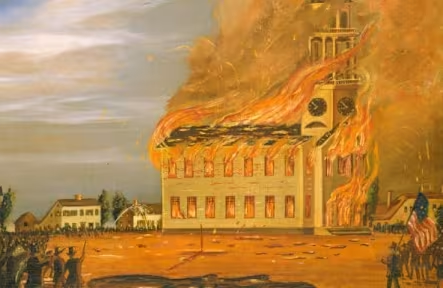
They were called criminals. Some of their churches were burned down, men were impressed into the military against their will, others slaved away in textile mills for dirt pay, they dug trenches and canals, bult railroads, and some were even deported.

They were barred from voting until they had lived in the U.S. for 21 years which is clearly unconstitutional. I am proud of my Irish ancestry. My great-grandparents worked hard to overcome the obstacles against them and built a wonderful family. Indigenous people can sympathize with me because their ancestors were not granted full citizenship until June 2, 1924.
I know what it feels like to be told I can’t do something because of a feature that I was born with and could not help – femaleness. I would like to speak or teach in my church but I am forbidden to do either one because I am a woman. There are female teachers and prophets in the Bible and so one would think I should be allowed to follow my calling. It is not fair to me and it is also the church’s loss not to use my gifts in ministry. It is not fair to indigenous women to be overlooked because of their gender or heritage, but again they are not the only ones. Their stories need to be told.
I believe our society is missing out on many blessings if we belittle or abuse anyone. I don’t want to be a part of that. I want all of my non-indigenous friends and family to learn more about the people who were here before our ancestors came to these shores.
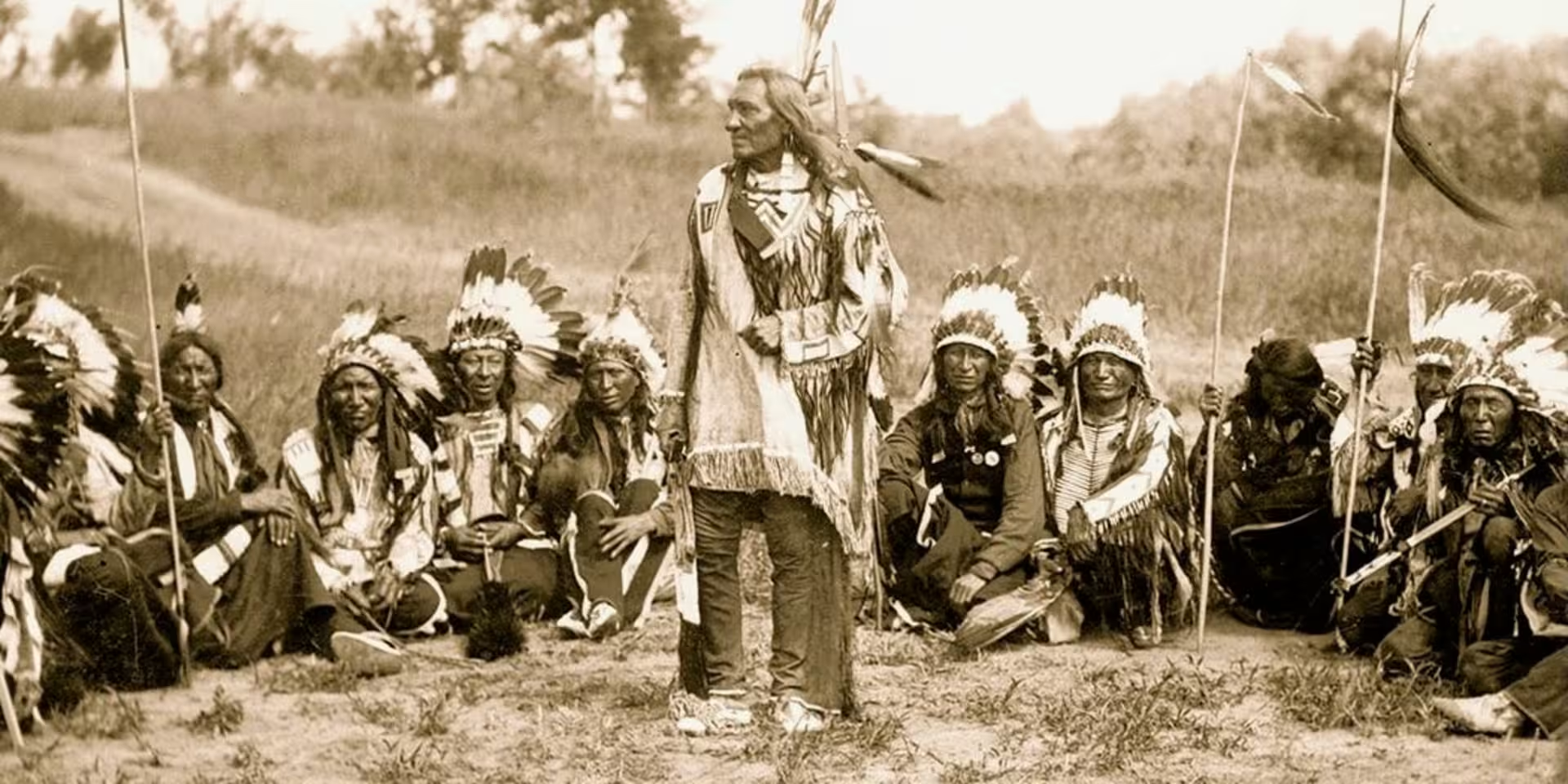
The HISTORY.com Editors have put together a great article and timeline on the history of indigenous people. I recommend reading the whole article.[1]
The indigenous peoples were here for thousands of years before European settlers came. Their stories are passed down orally. We do not have much in writing to tell us what life was like for them before the 16thcentury.
We do know however that once the colonizers came the native peoples responded in many different ways. Some like Pocahontas and Sacagawea helped the white settlers. Many tribes were concerned about losing their centuries-old rights to their lands and fought with the Americans. Many tribes were moved to reservations.
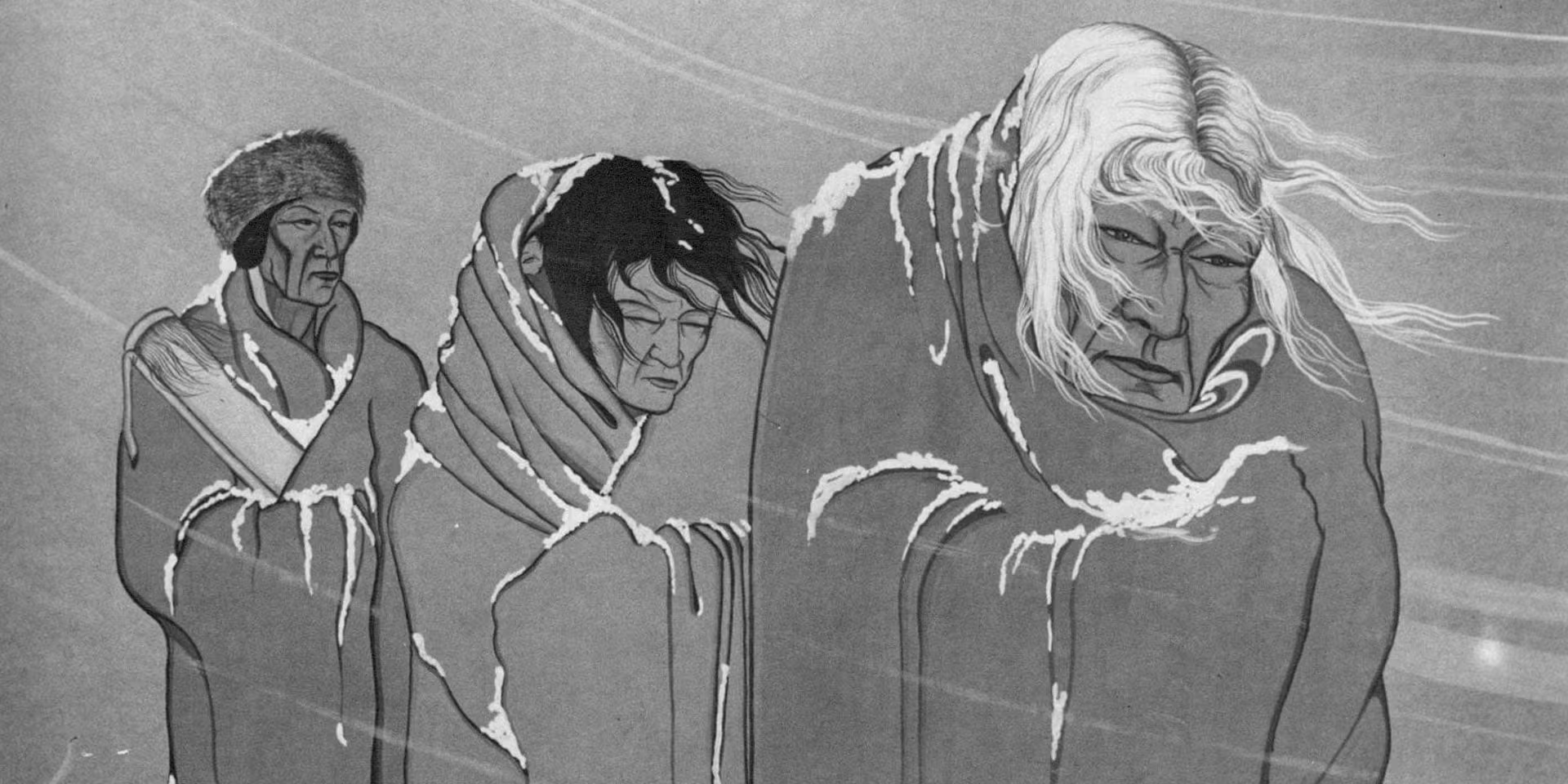
Some, like the Cherokee, accepted defeat and went along. Thousands suffered and died on the “Trail of Tears”.
Others, like the Apache, resisted until they were nearly decimated.

Along the way the government passed a number of laws, many of them unfair to move the indigenous people out of the way so white people could settle on their land. My purpose here is not to pass judgement on either the American government or the tribes that chose war but just to look at the past and learn from it.
Throughout history there have been many remarkable female natives who contributed much to their tribes. I am honored to tell their stories.
[1] Here’s where you can find it: https://www.history.com/articles/native-american-timeline
